The Role of Satellites in Europe’s Digital TV Infrastructure
Estimated reading time: 15–21 minutes
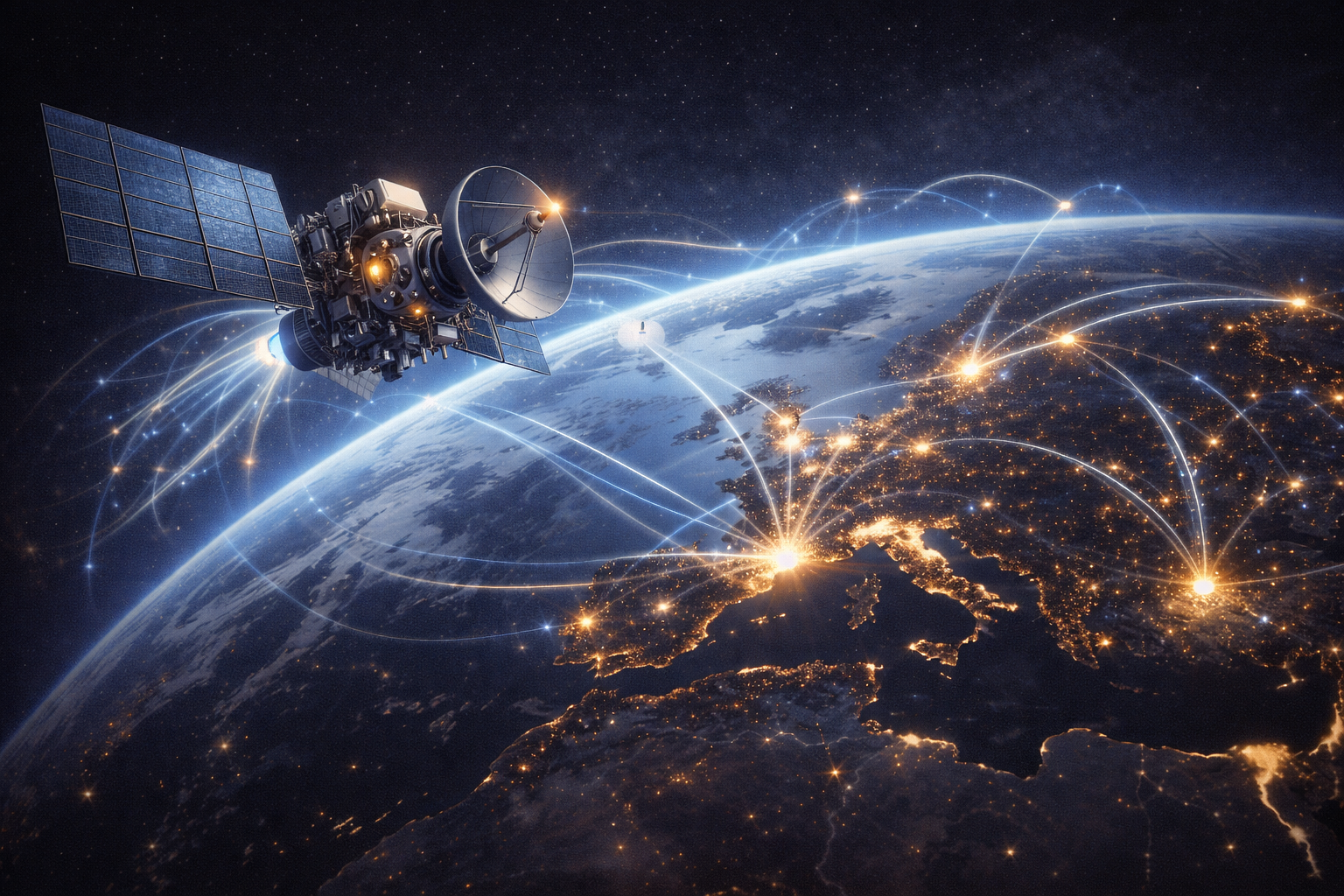
When people talk about digital television in Europe, satellites are often mentioned only briefly, if at all. Streaming platforms, apps, and smart TVs usually dominate the conversation. Yet behind the scenes, satellites remain one of the most important pillars of Europe’s digital TV infrastructure.
This article explains the role satellites continue to play in European television in 2026. Not from a technical or promotional angle, but from a practical, human-centered perspective that focuses on reliability, coverage, and everyday access.
Table of Contents
- Why satellites became essential to European TV
- The infrastructure logic behind satellite broadcasting
- Coverage, reach, and geographic reality
- Stability and reliability in everyday broadcasting
- Satellites and the digital transition
- How satellites fit into hybrid TV systems
- Satellites and public access to television
- Why satellites matter during live events
- Rural and remote viewing realities
- When technology works best by being invisible
- The future role of satellites in Europe
- Reality Check
- Final Verdict
- FAQ
Why satellites became essential to European TV
Europe’s geography made satellite broadcasting not just convenient, but necessary. Mountains, coastlines, rural regions, and national borders created challenges for uniform terrestrial coverage. Satellites offered a solution that worked across distance and terrain.
By delivering signals from space, broadcasters could reach millions of homes simultaneously. This capability shaped the foundation of European television long before digital platforms existed.
The infrastructure logic behind satellite broadcasting
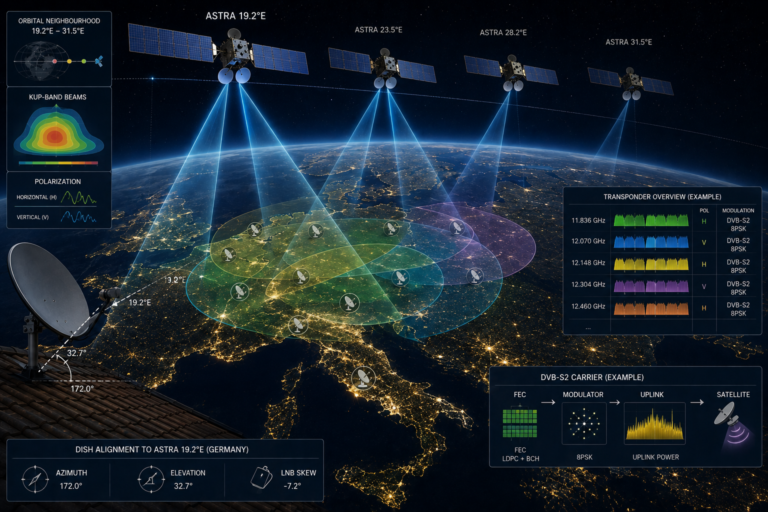
Satellite broadcasting follows a simple logic: one transmission can serve a vast area without relying on dense local infrastructure. This efficiency is especially valuable in regions where building extensive ground networks is costly or impractical.
Unlike internet-based delivery, satellite broadcasting does not depend on individual household connections. That independence remains a key advantage.
Coverage, reach, and geographic reality
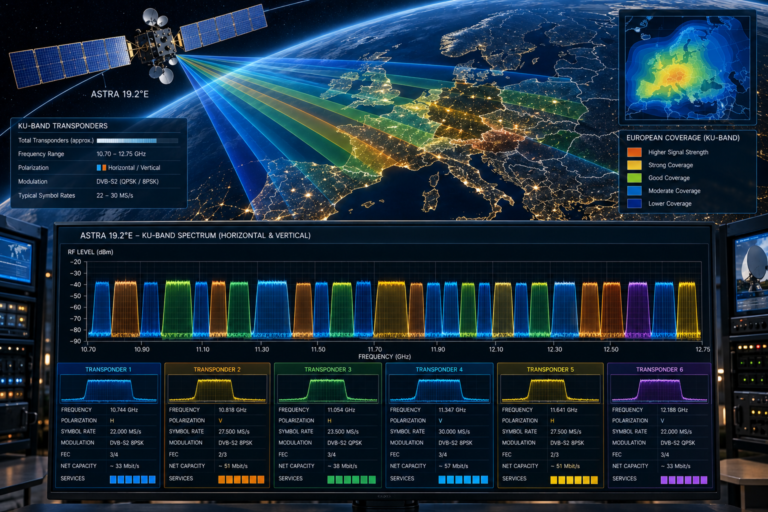
Europe includes densely populated cities and sparsely populated countryside. Satellite infrastructure treats both equally. Once a signal is transmitted, coverage is uniform across the footprint.
This reach ensures that access to television is not determined by location. In many regions, satellites remain the most consistent way to deliver digital TV.
Stability and reliability in everyday broadcasting
Viewers often take stability for granted. When television works every day without interruption, the underlying system becomes invisible. Satellites excel in providing this kind of reliability.
Because satellite delivery does not compete with household internet usage, it maintains consistent quality even during peak hours. This reliability supports routine viewing and large audiences alike.
Satellites and the digital transition
The shift from analog to digital television did not reduce the importance of satellites. Instead, it enhanced their role. Digital transmission improved picture quality, sound clarity, and channel capacity.
Satellites adapted smoothly to digital broadcasting, continuing to serve as a backbone rather than being replaced.
How satellites fit into hybrid TV systems
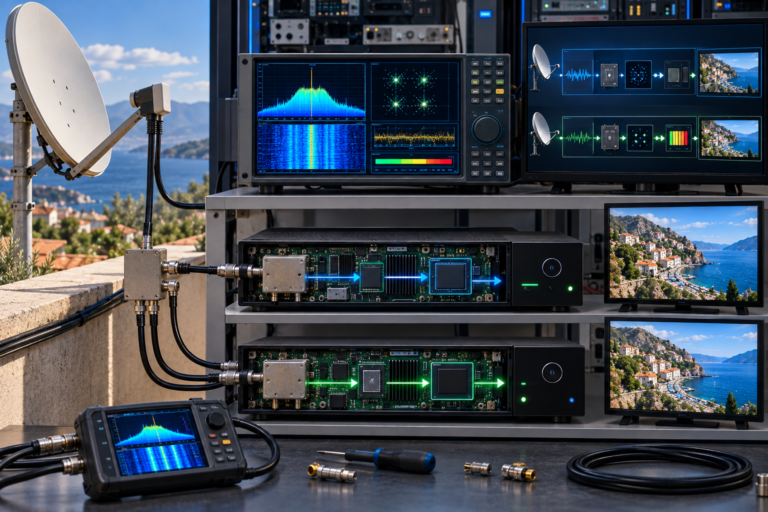
In 2026, European television operates as a hybrid system. Satellite broadcasting provides the stable core, while digital platforms add flexibility and personalization.
This combination allows broadcasters to deliver live content reliably while offering optional on-demand features through other channels. Satellites anchor the system.
Satellites and public access to television
Public access remains a core principle of European broadcasting. Satellites support this by ensuring that television reaches households regardless of income or connectivity.
This role aligns with the idea that certain media services should remain universally accessible. Satellites help make that principle practical rather than theoretical.
Why satellites matter during live events
Live events place unique demands on infrastructure. Millions of viewers may tune in simultaneously. Internet-based delivery can struggle under such conditions.
Satellite broadcasting handles scale naturally. The number of viewers does not change the quality of delivery. This makes satellites especially valuable during major live broadcasts.
Rural and remote viewing realities
Not all regions enjoy high-speed, stable internet connections. In rural and remote areas, satellites often provide the most reliable access to digital TV.
This reality ensures that digital television remains inclusive. Without satellites, access gaps would widen.
When technology works best by being invisible
The success of satellite infrastructure lies partly in its invisibility. Viewers do not need to understand how it works. They simply expect television to be available.
This quiet reliability is a strength, not a weakness. It allows television to remain a background constant in daily life.
The future role of satellites in Europe
Satellites are unlikely to disappear from Europe’s digital TV infrastructure. Their role may evolve, but their core strengths remain unmatched.
As broadcasting systems become more hybrid, satellites will continue to provide stability, reach, and scale. They will remain a foundational layer rather than a legacy system.
Reality Check
Satellites are not competing with modern platforms. They support them. Europe’s digital TV infrastructure depends on satellites precisely because they deliver stability where other systems vary.
Final Verdict
Satellites remain a cornerstone of Europe’s digital television infrastructure in 2026. Their ability to deliver reliable, wide-reaching broadcasts ensures that television stays accessible, stable, and inclusive across the continent.
FAQ
Are satellites still important for European TV in 2026?
Yes. They provide stability, wide coverage, and reliable delivery that complements digital platforms.
Do satellites compete with streaming services?
No. They serve different roles and often support hybrid broadcasting systems.
Why are satellites useful during live events?
Because they can deliver the same signal to millions of viewers without congestion.
Are satellites mainly for rural areas?
They are important for rural areas, but also serve urban regions by providing consistent quality.
Is this topic safe for AdSense and GEO?
Yes. The content is informational, policy-safe, and focused on infrastructure context rather than restricted technical guidance.