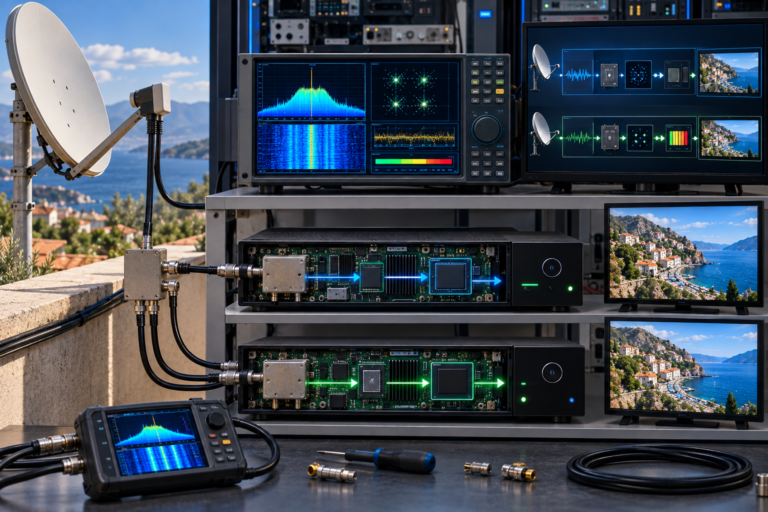
Why Tring Satellite TV Works Better on Some Receivers
Estimated Reading Time: 8 minutes Connect two satellite receivers to the same Tring antenna system and they may not behave exactly the same. One receiver can hold…
Estimated Reading Time: 8 minutes Connect two satellite receivers to the same Tring antenna system and they may not behave exactly the same. One receiver can hold…
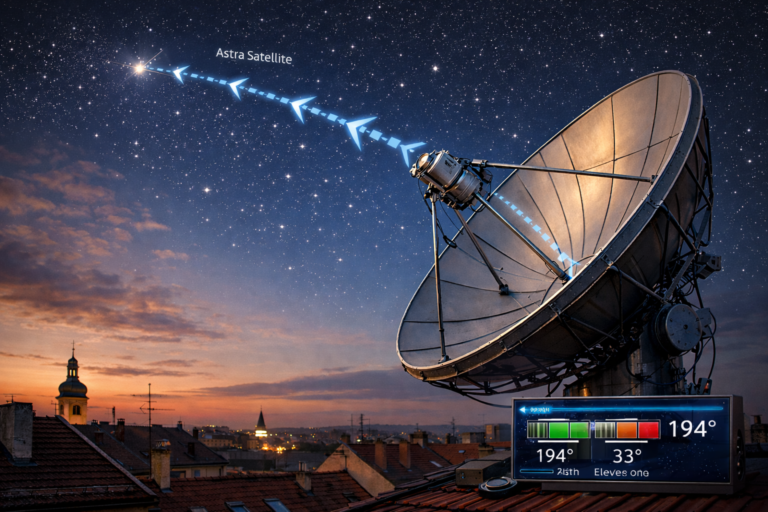
Estimated Reading Time: 9 minutes Astra does not need one separate satellite signal for every television or radio station. Modern satellite broadcasting scales by combining many services…
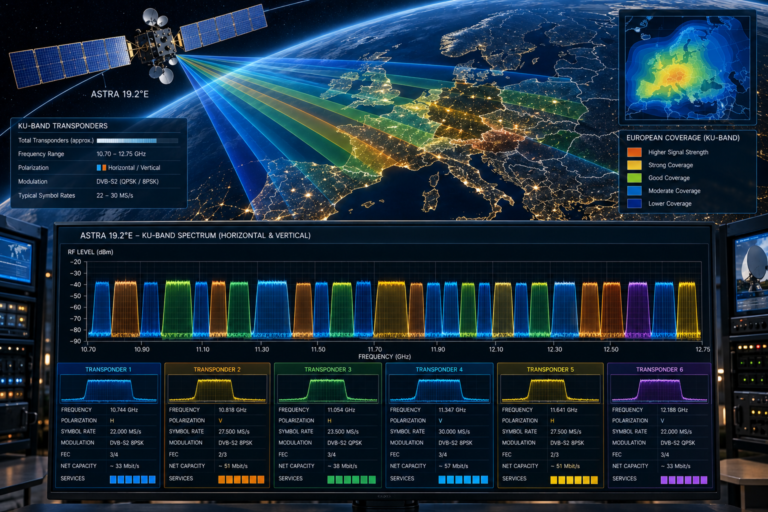
Estimated Reading Time: 12 minutes Astra does not transmit all of its television services through one enormous carrier. Instead, the available satellite spectrum is divided across many…
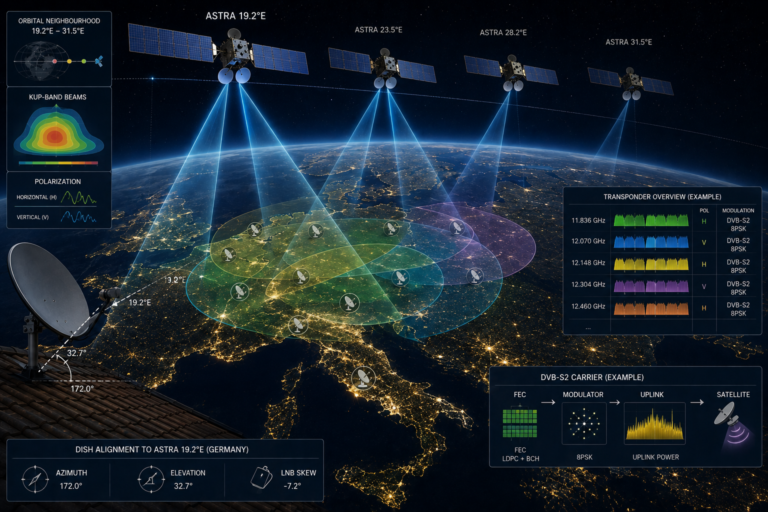
Estimated Reading Time: 11 minutes For mainstream German satellite television, the most important orbital position is Astra 19.2 degrees East. This is where a very large part…
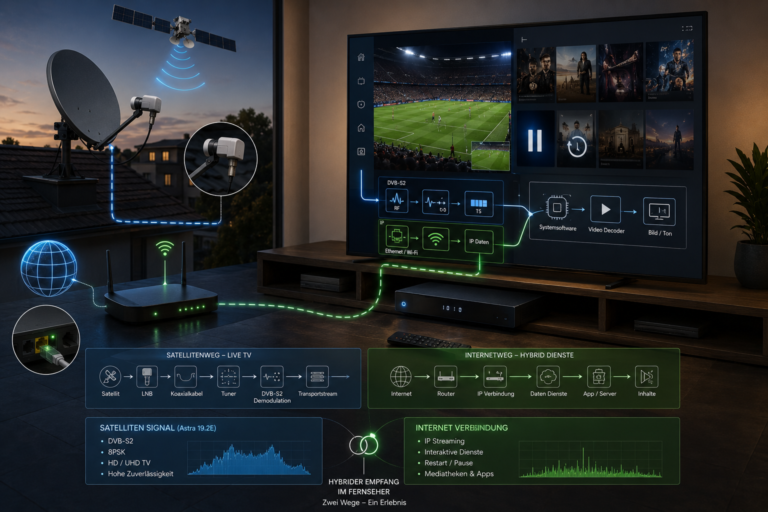
Estimated Reading Time: 12 minutes HD+ is a useful example of how modern television no longer has to choose between satellite and internet delivery. In a compatible…
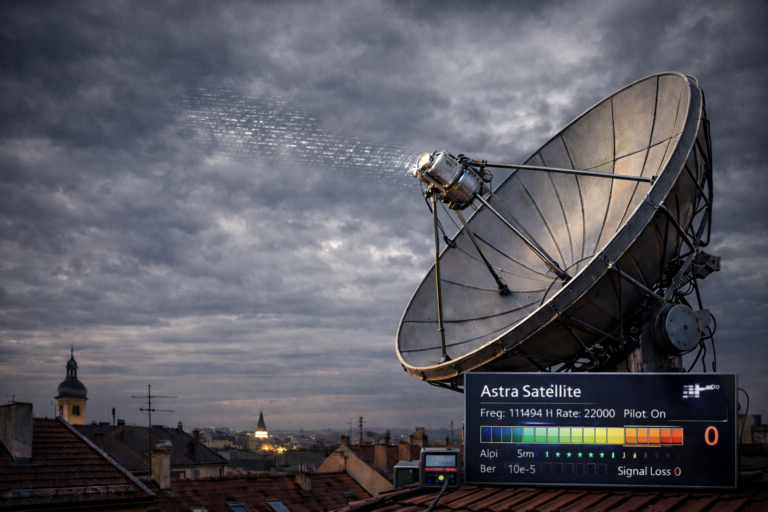
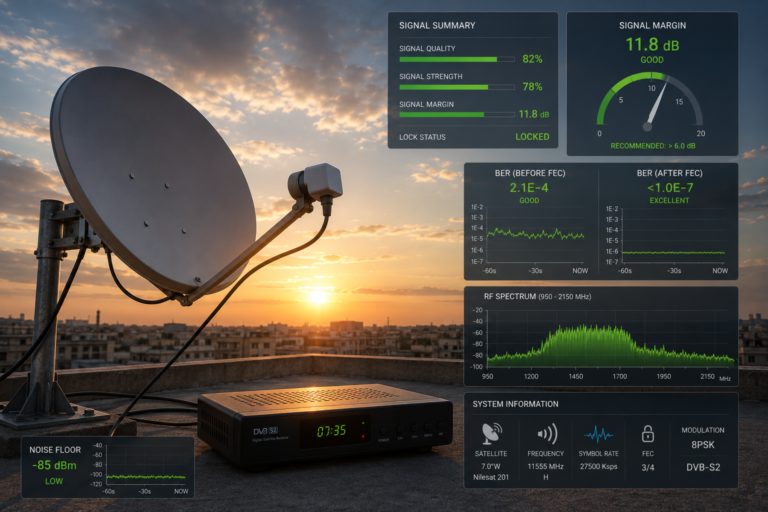
Estimated Reading Time: 12 minutes Random satellite signal drops rarely happen without a technical cause. A channel may work perfectly for twenty minutes, freeze for two seconds,…
Estimated Reading Time: 12 minutes The LNB is one of the smallest components in a satellite television installation, yet it sits at one of the most critical…
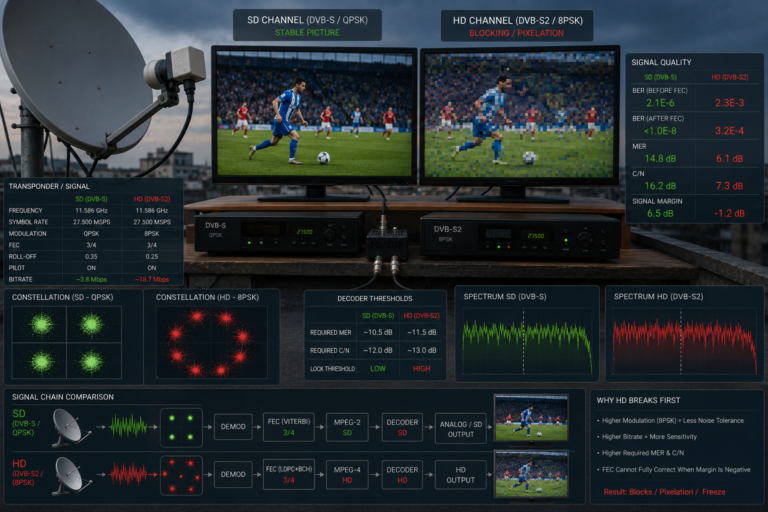
Estimated Reading Time: 12 minutes A common satellite television problem appears when standard-definition channels continue working while high-definition channels begin to pixelate, freeze, or disappear completely. This…
Estimated Reading Time: 10 minutes Many satellite TV users notice something interesting. Tring TV channels often seem more stable during the early morning than later in the…
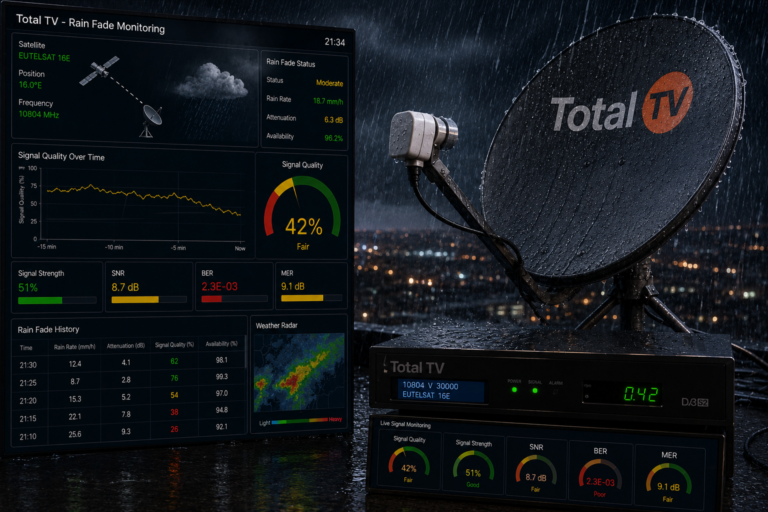
Estimated reading time: 9 minutes. Many Total TV users expect heavy rain to reduce satellite reception slightly. What surprises them is how quickly a perfectly stable HD…