IPTV vs Cable TV: Which Is Better for You in 2025?
IPTV vs Cable TV in 2025: Honest Pros, Cons, and Costs [Updated]
Remember a time when cable TV was the top way to watch your favorite shows? Now, the way we watch TV looks nothing like it did a few years ago. With the rise of internet-based services, IPTV (Internet Protocol Television) is giving cable TV real competition.
IPTV brings live TV and on-demand shows using your internet connection, while cable TV still relies on coaxial cables running into your home. As streaming speeds pick up and more choices pop up, lots of people are rethinking how they watch TV. If you’re curious about which one makes more sense for you in 2025, you’re not alone—IPTV is pulling ahead, and we’ll help you see why.
How IPTV and Cable TV Work
TV has changed a lot, but what makes these two ways of watching different? The answer starts with how shows and movies get to your screen. IPTV and cable TV might look similar to viewers, but they use totally different roads. Understanding these setups helps you pick the one that clicks with your lifestyle.
IPTV: Streaming Through the Internet
IPTV—or Internet Protocol Television—streams TV through your home’s internet, not old-school cables. Instead of tuning into a channel, you connect to a service that brings TV, movies, and sports straight through apps and smart devices.
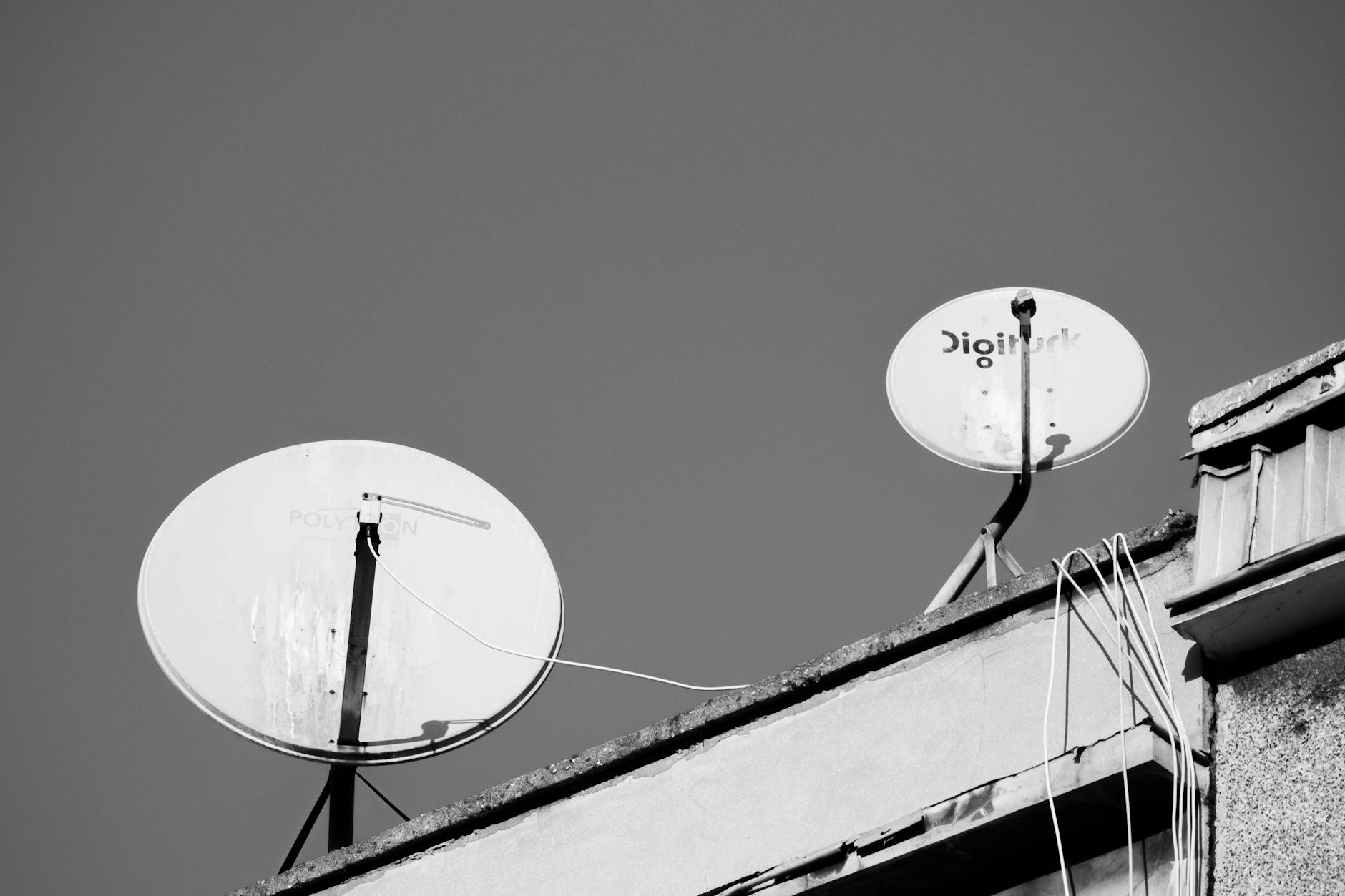 Photo by Yiğit KARAALİOĞLU
How does it work? Here’s how IPTV serves up your favorite shows:
- Your provider sends channels and movies as data over the web.
- You watch live TV or stream on-demand content by opening an app or channel list.
- All you need is an internet connection. No complicated wiring.
Devices for IPTV:
- Smart TVs that support apps like Netflix, Hulu, or your IPTV service
- Streaming boxes such as Roku, Amazon Fire TV, or Apple TV
- Smartphones and tablets (install an app and you’re set)
- Laptops and desktops for browser-based streaming
Pros of IPTV setup:
- Skip the installer—most IPTV services are plug-and-play.
- Watch TV anywhere with WiFi, not just the living room.
- Use simple apps instead of juggling a stack of remotes.
IPTV brings you flexibility and freedom, perfect for people who move around or hate tangled cords.
Cable TV: Traditional Wired Networks
Cable TV uses physical cables (often coaxial) that run from your local provider to your home. It’s classic, reliable, and has powered living rooms for decades.
Here’s what happens: The signal leaves the cable company and travels over miles of wires, finally reaching your house. You can only access cable content where those wires run.
To get cable TV going, you’ll need:
- A cable box or DVR (from your cable provider)
- Coaxial cables running into your walls and TV area
- A remote control just for the box
Key features of cable TV setup:
- Setup usually needs a technician and a scheduled appointment.
- You’re locked into watching on TVs where you’ve set up hardware.
- The experience is reliable but not as portable or app-friendly.
While cable can deliver loads of channels and premium add-ons, you’ll need to stick to spots with that wired connection in your home. This system is tough to move or adjust compared to the simple tap-and-watch freedom of IPTV.
The method each service uses to send shows your way is the real split—not just the channels, but how you get them.
Comparing Channel Selection and Content Options
When deciding between IPTV and cable TV in 2025, it really comes down to what you want to watch and how easily you can get to it. Each service comes with strengths, quirks, and types of content that matter if you love sports, need binge-worthy series, or want news on-demand. Let’s break down what kind of content you get, how flexible each system is, and where you might find more bang for your buck.
IPTV Content Flexibility: Detail Access to On-Demand Libraries, Specialty Channels, and Streaming Bundles
 Photo by Jakub Zerdzicki
IPTV makes it easy to watch what you want, whenever you want. Instead of flipping through fixed channels, you get a mix of live streams, on-demand movies, and exclusive shows at your fingertips.
- On-demand libraries: Most IPTV services serve up endless on-demand choices. Whether you’re into late-night sitcoms, documentaries, or international hits, it’s all just a tap away.
- Specialty channels: Love niche sports, anime, or non-English news? You’ll find apps and services that focus only on what you care about. No more paying for a hundred channels you’ll never use.
- Streaming bundles: IPTV brings a true a la carte menu. You can bundle Disney+, Hulu, or even live sports network add-ons without getting locked into a giant package. This means you only pay for what you actually watch.
You’re not stuck on the sofa, either. IPTV platforms let you catch a favorite team on the train or finish a crime drama while cooking. In early 2025, nearly 65% of users said customizable channel lineups were their top reason for switching to IPTV (according to a recent consumer survey). It’s real pick-and-mix TV, built for how we actually watch.
Cable TV Channel Lineups: Highlight Cable’s Package Tiers, Regional Sports, and Classic Prime-Time Programming
Cable TV is still all about big channel lists and easy access to familiar networks. You don’t get as much on-demand flexibility, but you do get reliable access to the staples—especially for those who like to channel surf.
- Package tiers: Cable providers bundle channels into preset packages. Want premium sports, movie channels, or comedy? You’ll likely need to move up the ladder to pricier packages, but everything gets delivered at once.
- Regional sports: For local game nights, cable remains a strong pick. Many regional sports networks, which stream high school, college, and local pro teams, are often locked to cable deals.
- Prime-time and classics: If you like flipping to ABC, CBS, or classic hits, cable stands out. You always know what’s on and when. Plus, live events and news broadcasts have long been smooth on cable, with little lag or buffering.
Cable appeals to those who want consistency and tradition. With hundreds of channels, there’s almost always something on, but you might find yourself scrolling through lots of filler just to get to your favorites.
Content options really split when you compare modern TV habits. IPTV is the buffet—choose only what you crave at any time, on any screen. Cable TV is the classic diner—everything is on the menu, but you’ll need to order the platter to get your favorite side.
Pricing: What You Really Pay
Comparing IPTV and cable TV pricing is about more than just glancing at monthly bills. The numbers often look simple up front, but the true cost can be hiding in plain sight. Let’s pull back the curtain on what you’re actually paying for—before and after you sign up.
 Photo by Miguel Á. Padriñán
IPTV: Upfront Costs and Ongoing Fees
IPTV wins points for transparency and flexibility, but your final price depends on what you want to watch and how often you use it.
- Free trials and month-to-month plans: Most IPTV services kick things off with a trial period, usually seven days. You have time to see if the channel lineup and video quality match your needs before paying a dime.
- No installers or hard wiring needed: You can skip the usual setup fees that cable companies charge. Just download the app and start watching.
- Bundles built for you: IPTV really shines with customizable bundles. Want only sports and a few movie channels? Just add those. Pay for what you watch and leave out the extra fluff.
- Recurring charges: Monthly plans are typical, ranging from $10 to $40 depending on how many channels or add-ons you pick. Upgrades—like premium movie networks or multi-device support—could tack on an extra $5 to $20 a month.
- Device costs: Using your own smart TV, phone, or tablet means $0 in rental fees. If you go with a streaming stick or box, expect a one-time cost of $30 to $100, but you own it for good.
Hidden fees:
- Most reputable IPTV services avoid hidden costs, but beware of low-cost, unreliable providers who might charge for customer support or HD streaming.
- Rarely, you might see “activation” fees ($5 to $20) if you opt for a totally custom experience or special live sports events.
The predictability and no-contract freedom make IPTV appealing. You’re not locked in, and surprise fees stay rare.
Cable TV: Traditional Bundles and Extra Charges
Cable TV is famous for steady monthly bills but also for fees that sneak up later—often when upgrading or after a promotion ends.
- Contracts are common: Cable TV usually asks for a one- or two-year contract. Sure, that “new customer” promo price cuts your bill in half for the first 6 to 12 months, but after that, expect it to jump to the real sticker price.
- Equipment rentals and installation fees: Want an HD box, DVR, or extra receiver? That’s another $7 to $15 per device each month. Professional installation or “activation” can cost $50 to $100 if you don’t manage the setup yourself.
- Mandatory bundles: Basic cable might look cheap, but to get popular channels or regional sports, you’ll need to upgrade to a bigger package. This bundles in dozens of channels you might never watch, making your monthly cost swell.
- Additional fees: Look for those little surprises—
- Broadcast TV fees: $5 to $20 each month for local channels,
- Regional sports charges: $5 to $15 for games,
- HD technology fees or “network access” fees.
- Unbundling pain: Canceling mid-contract triggers early termination fees (usually $100–$200). Accessories like remotes or cable cards also sometimes bring micro-charges.
Cable TV often shines brightest for families who watch the same shows every night, but it can leave you feeling nickel-and-dimed if you stray from the minimum or move before your contract ends.
Key differences: IPTV plays nice if you like flexibility and want to dodge binding contracts and equipment fees. Cable tempts with “first year” promos, but long-term, costs can stack up fast with rentals, upgrades, and hidden surcharges.
Understanding your real costs is about peeking beyond simple price tags and reading those fine details before you commit.
Picture Quality, Reliability, and User Experience
Choosing the right TV service isn’t just about which channels you get or what the price tag says. The way your shows actually play—the quality, reliability, and plain joy (or frustration) of using the service—can make or break your experience. Let’s kick the tires on how IPTV and cable TV stack up for stream quality, interruptions, channel surfing, and overall ease.
IPTV Performance and Reliability: How Internet Connection Drives the Show
 Photo by Kaboompics.com
IPTV depends entirely on your internet. The strength of your WiFi or wired network has the biggest impact on smooth playback and sharp picture quality. In 2025, most homes run on fast fiber or high-speed cable internet, so IPTV can deliver crisp HD and even 4K streams—some look just as good as Blu-ray.
A few years ago, streaming got a bad rap for choppy video or annoying buffering. Now, smarter apps automatically scale the quality up or down based on your current speed, avoiding those dreaded frozen screens. It’s like cruise control, but for video. Advanced compression technology also means even big sports games or action movies can play without pixelation, unless your internet drops out completely.
By 2025, here’s what has boosted IPTV’s reliability:
- Adaptive streaming: Your picture stays watchable even if your internet briefly dips.
- Cloud DVRs: Skip traditional glitches by storing your shows online, safe from random cable outages.
- Instant software updates: IPTV apps regularly improve, adding stability and squashing bugs with a quick download.
- Smart device compatibility: Watching on TVs, tablets, or phones? IPTV serves all, and switching between them is now almost instant.
Channel changes are faster than ever, too. Gone are the days of annoying lag or blank screens—most IPTV services now switch channels in a flash, just like with cable. Of course, a weak network will still cause stutters or blocks, but a good internet plan solves almost all common issues.
Cable TV Consistency and Quality: Solid When You Need It Most
Cable TV wins points for reliability, especially if your area deals with internet slowdowns or outages. Since the signal moves through dedicated wires straight to your home, you rarely see buffering or major drops in quality.
Families who stick with cable rave about a few things:
- Consistent HD and 4K feed: Picture quality isn’t tied to how many devices are on WiFi or what the neighbors are streaming.
- Minimal outages: Bad weather can hurt satellite or fiber, but cable usually powers through storms and crowded weekends with the same steady image.
- Channel-flipping is instant: There’s no lag when changing channels. Football fans can bounce between games in seconds.
- No need to upgrade gear: As long as you pay for HD, regular cable gets you sharp images without extra settings or app downloads.
Where cable trips up is flexibility. Want to stream in the backyard or switch to your phone? Cable rarely keeps up with today’s on-the-go habits. But for those who just want a rock-solid TV lineup in the living room, cable’s wired reliability is hard to beat.
Both IPTV and cable TV come packed with strengths, but the real winner for you comes down to how and where you watch. If you crave portability and the latest tech perks, IPTV feels like driving a new car. If you value consistency and want zero surprises, cable delivers the same dependable ride every day.
Which Is Better for You? Decision Factors for 2025
Choosing between IPTV and cable TV in 2025 can feel like standing at a fork in the road. Your habits, your house, your tech comfort, and even your zip code play a huge part in what fits best. Instead of a one-size-fits-all answer, it’s all about matching TV options to your real, daily life. Here’s how to size up both choices with confidence.
When IPTV Makes Sense: Streamers, Travelers, On-Demand Households, and Tech Fans
 Photo by KoolShooters
IPTV leads the way for anyone who lives and breathes flexibility and choice. If you want to stream while you travel, pick what to watch at any hour, or love playing with new gadgets, IPTV fits right in.
- Streamers and multitaskers: If your home has multiple screens at once—someone watching on a tablet, someone else on a phone—IPTV can keep up. Switch devices without missing a beat.
- Frequent travelers: Whether you’re in a hotel room or at a family gathering, your favorite shows follow you. IPTV just needs WiFi.
- Tech-centered families: Got a lineup of smart TVs, streaming sticks, phones, and laptops? IPTV makes life simple. No cable boxes needed and everyone has their own profile and playlists.
- On-demand fans: The big win for IPTV is easy access to movies and shows, exactly when you want them. No more waiting for a set broadcast time or fighting over the remote.
- Tech lovers: If you get a buzz from having the latest apps, smart home gadgets, or cloud integrations, IPTV feels modern and always updated. You control the interface, suggestions, and even voice commands.
For people who live fast and move light, IPTV’s streaming style means TV keeps up—whether you’re in the city, at home, or halfway across the country. The extras like customizable bundles and cloud recordings make it even sweeter.
When Cable TV Still Wins: Rural Stability, Live TV Devotees, and Set-and-Forget Simplicity
Cable TV still owns a few key advantages, especially for those who value stability and the old-school TV feel. Rural areas, sports fans, or anyone who likes to settle in and click a single remote will find comfort here.
- Reliable option for rural homes: If you live where reliable, fast internet is spotty or expensive, cable delivers a consistent picture. No worries about video skipping or losing signal mid-game.
- Live event fans: Sports lovers and those who crave live shows (such as local news, big award nights, or breaking updates) get a smoother experience. No lag, buffering, or awkward delays—just press the channel and the show is on.
- Simple experience: If the thought of downloading apps or learning new devices sounds like a headache, cable offers a simple TV ritual. Power up, flip channels, enjoy. There’s comfort in the familiar.
- Solid for larger households: When several people all want different channels or no WiFi headaches, cable’s wired link keeps everyone happy.
- Set-and-forget: Installation happens once, then it simply works. There’s no fiddling or troubleshooting, and customer service is just a call away.
For some, the predictability of cable TV makes life easier. If you prize steadiness, hate tech troubleshooting, or face spotty internet speeds, cable’s old-school power fits just fine.
Weigh your style, your need for mobility, and what tech is already in your home. The “right” choice depends on where, when, and how you love to tune in.
Conclusion
IPTV and cable TV each bring something unique to the table, and your perfect match depends on how you watch today and what you want tomorrow. IPTV powers freedom, letting you pick shows on the fly and watch almost anywhere, while cable offers the comfort of familiar channels and steady performance even when the internet is slow.
TV habits shift fast. Look ahead and match your choice with your real routine and what feels easy. Ready to shake up your viewing experience? Rethink your setup, share your thoughts below, and help others find their next TV solution. Thanks for joining this honest look at the future of home entertainment!