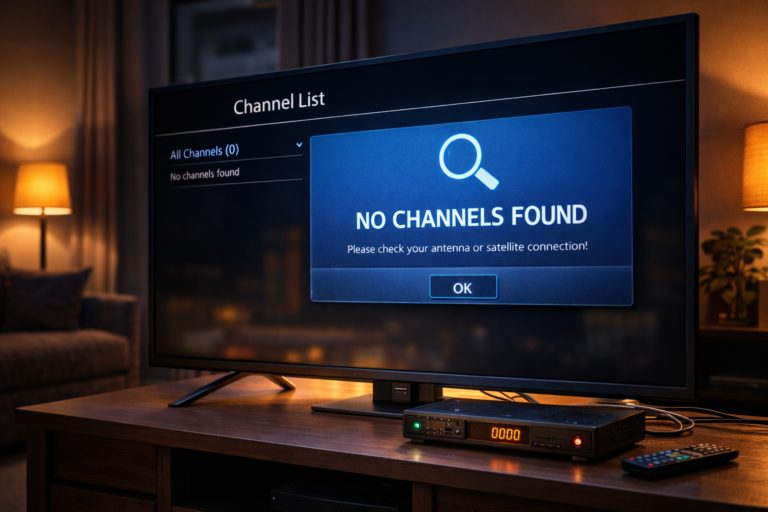
The Evolution of European Broadcasting – From Satellite to Hybrid TV
Estimated reading time: 15–20 minutes
European television did not change overnight. There was no single moment when satellite suddenly disappeared or when streaming instantly took over. Instead, broadcasting in Europe evolved slowly, carefully, and often quietly. By 2026, this gradual evolution has led to what many viewers experience today: a hybrid television model.
This article explains how European broadcasting moved from traditional satellite-based delivery to a hybrid system that blends live TV, digital platforms, and on-demand viewing. It focuses on real-world behavior, infrastructure decisions, and cultural habits—not technical hype.
Table of Contents
- The early days of European satellite broadcasting
- Why satellite became the foundation of TV in Europe
- The digital transition without disruption
- How viewer habits guided technological change
- The rise of hybrid television models
- Broadcasting logic versus platform logic
- Why infrastructure still matters in 2026
- Stability over speed: a European preference
- Cultural context and public broadcasting
- What actually changed—and what didn’t
- Where European broadcasting is heading next
- Reality Check
- Final Verdict
- FAQ
The early days of European satellite broadcasting
Satellite broadcasting became essential in Europe long before streaming was imaginable. It solved a fundamental challenge: how to deliver television across countries with different terrains, borders, and infrastructure levels. Mountains, rural areas, and cross-border audiences made satellite a practical and reliable solution.
For decades, satellite allowed broadcasters to reach millions of homes with consistent quality. It also enabled multilingual channels and international programming to coexist with national content. This foundation shaped how European audiences became accustomed to stable, predictable television.
Why satellite became the foundation of TV in Europe
Satellite succeeded not because it was fashionable, but because it was dependable. European broadcasters needed a system that worked at scale and remained stable during major events. Satellite offered exactly that.
Key reasons satellite worked so well include:
- wide geographic coverage
- consistent signal delivery
- efficient distribution to many households at once
- long-term infrastructure planning
These qualities shaped viewer expectations. Television was expected to work without explanation. And that expectation continues to influence broadcasting decisions today.
The digital transition without disruption
When digital television arrived, Europe approached the transition carefully. The goal was not to replace existing systems overnight, but to improve quality while preserving reliability. This approach avoided sudden disruptions and protected viewer trust.
Instead of radical shifts, European broadcasting focused on:
- gradual digital upgrades
- clear communication with viewers
- compatibility with existing hardware
This cautious transition laid the groundwork for today’s hybrid models.
How viewer habits guided technological change
One reason European broadcasting evolved smoothly is that it followed viewers rather than forcing change. Broadcasters paid attention to how people actually used television, not just what technology allowed.
Viewers consistently valued:
- ease of use
- predictable schedules
- familiar channel identities
- reliable access during important moments
Any innovation that disrupted these habits faced resistance. As a result, change was introduced in layers rather than leaps.
The rise of hybrid television models
By the mid-2020s, a clear pattern emerged. Households were no longer choosing between broadcast TV and digital platforms. They were using both.
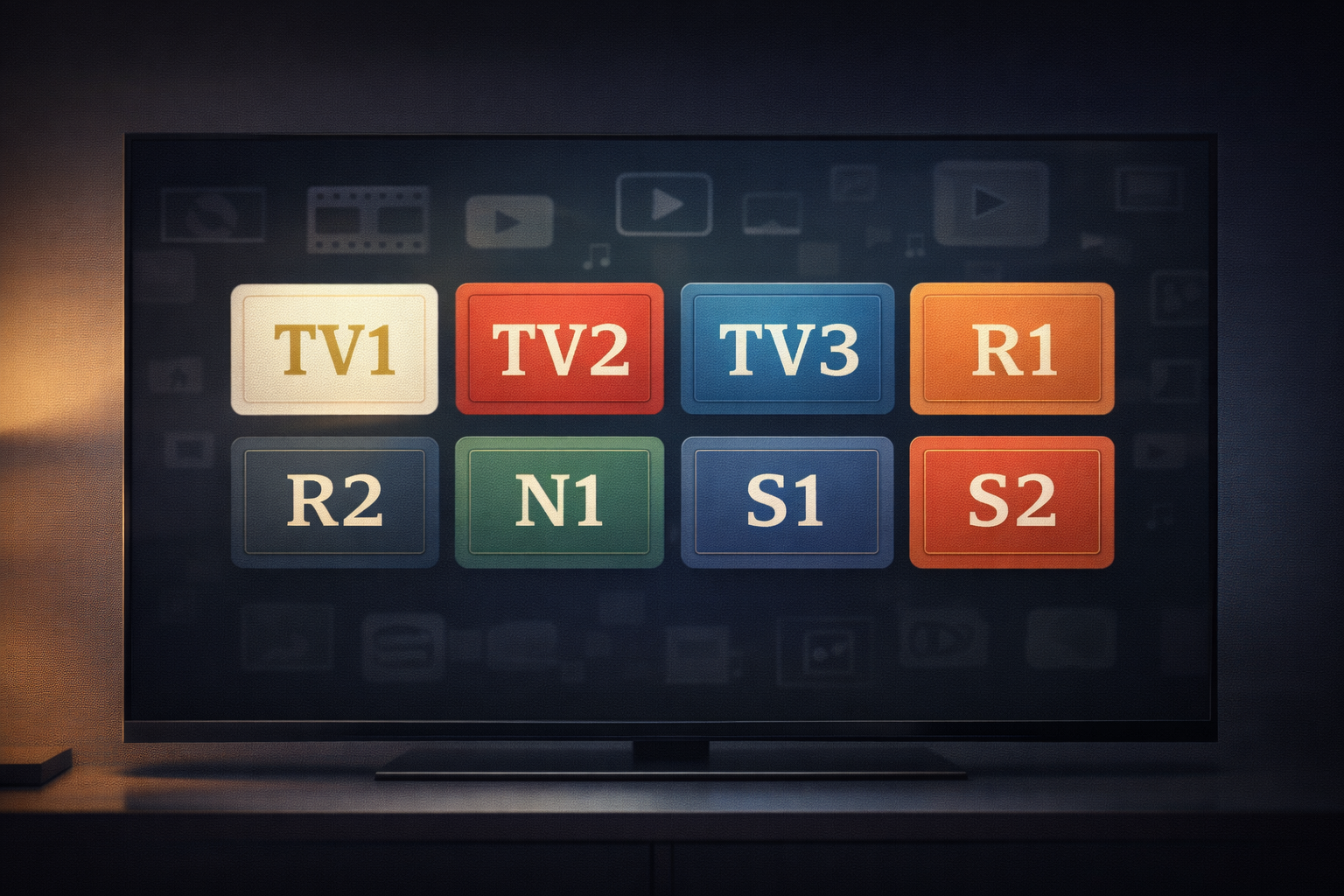
Hybrid television combines:
- live broadcasting for routine and shared events
- on-demand content for flexibility
- digital interfaces for convenience
This model reflects real life. People want structure sometimes and freedom at other times. Hybrid TV satisfies both without forcing a decision.
Broadcasting logic versus platform logic
Broadcasting and digital platforms operate on different logic. Broadcasting prioritizes consistency and reach. Platforms prioritize personalization and engagement.
European broadcasters did not abandon their strengths. Instead, they integrated platform features while keeping broadcast principles intact. This balance explains why traditional channels did not disappear when streaming grew.
Why infrastructure still matters in 2026
Even in 2026, infrastructure remains a deciding factor. Not all regions have equal internet quality, and not all households want to rely solely on online delivery. Broadcast infrastructure provides a stable base that digital layers build upon.
Infrastructure decisions are long-term. They shape not only technology but also trust. Once a system proves reliable, it tends to remain part of the ecosystem.
Stability over speed: a European preference
European broadcasting culture often favors stability over rapid change. This doesn’t mean innovation is ignored. It means innovation is tested carefully before becoming standard.
Viewers appreciate when television feels calm rather than chaotic. This preference explains why hybrid models feel natural rather than forced.
Cultural context and public broadcasting
Public broadcasters play a central role in European television. They reinforce cultural identity, language preservation, and shared national experiences. Their influence helps maintain a broadcasting model that values continuity.
Hybrid evolution allowed public broadcasters to expand digitally without losing their traditional role. This balance remains a defining feature of European media.
What actually changed—and what didn’t
What changed:
- greater digital access
- more flexible viewing options
- improved interfaces
What did not change:
- the importance of live TV
- trust in established broadcasters
- the role of broadcasting infrastructure
Understanding this balance explains why European TV feels familiar even as it evolves.
Where European broadcasting is heading next
The future of European broadcasting is not defined by replacement. It is defined by integration. Hybrid models will continue to improve, but broadcasting will remain the anchor.
Instead of dramatic disruption, expect continued refinement: better usability, clearer interfaces, and deeper integration across devices.
Reality Check
European broadcasting did not survive by resisting change. It survived by changing at the same pace as its viewers. The hybrid model exists because it reflects real habits, not technological ambition.
Final Verdict
The evolution of European broadcasting from satellite to hybrid TV is a story of balance. By preserving reliability while adding flexibility, Europe created a television ecosystem that feels stable yet modern. This balance explains why traditional broadcasting remains relevant in 2026.
FAQ
Did satellite broadcasting disappear in Europe?
No. Satellite remains an important foundation within hybrid television systems.
What defines hybrid TV?
Hybrid TV combines live broadcasting with digital and on-demand elements.
Why didn’t Europe switch fully to streaming?
Because viewer habits, infrastructure diversity, and cultural factors favor a balanced approach.
Is this topic safe for AdSense?
Yes. The article is educational, informational, and avoids any restricted or technical misuse topics.
What is the key takeaway for 2026?
European broadcasting evolves through integration, not replacement.