What Would Happen If Astra 19.2°E Went Offline
Estimated reading time. 10 to 12 minutes.
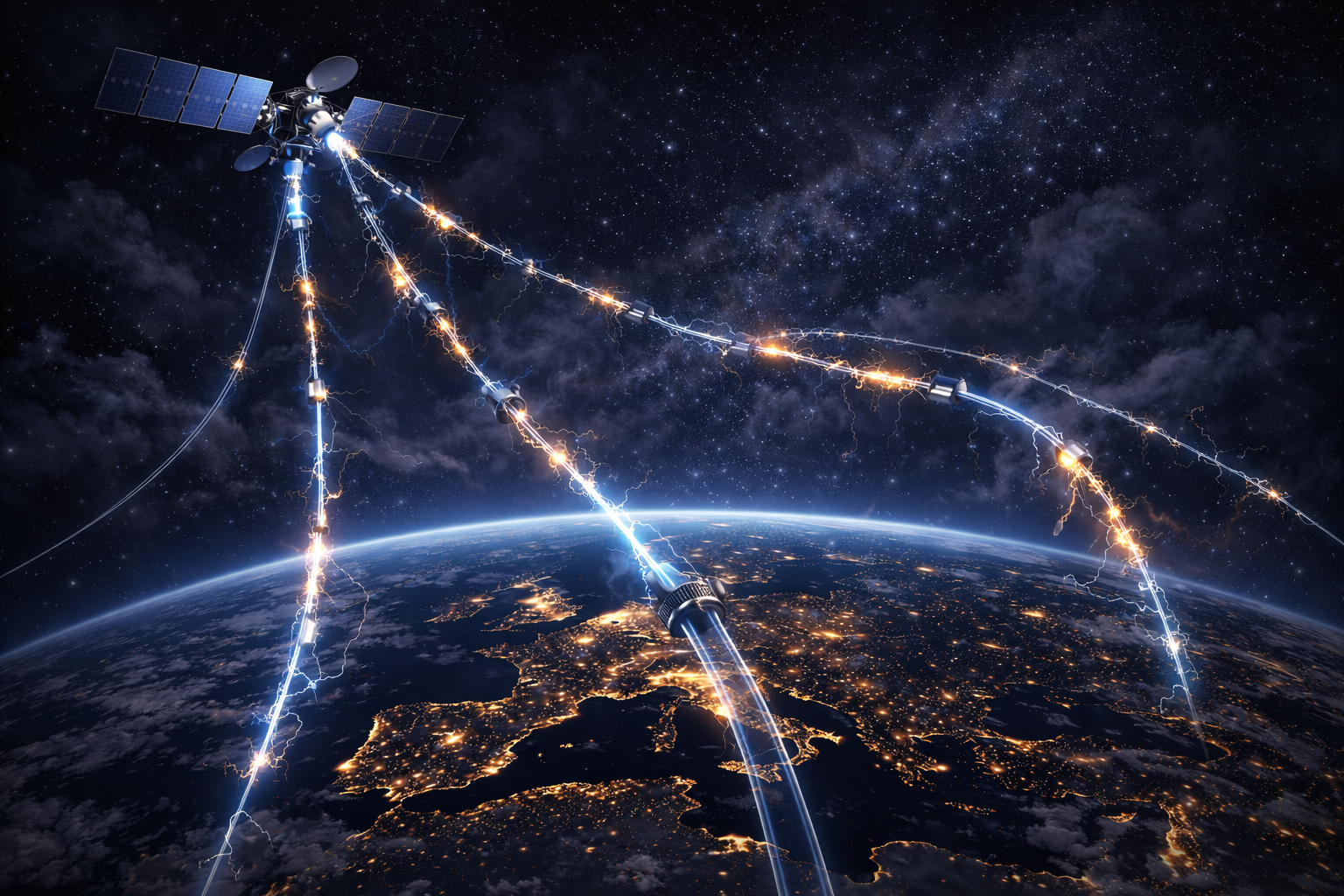
It is a question most viewers never ask, yet many broadcasters quietly plan for. What would happen if Astra 19.2°E suddenly went offline. Not for a few seconds, but long enough to matter. Across Europe, this single orbital position supports a large portion of television distribution. Its absence would not end television, but it would expose how deeply modern broadcasting depends on shared infrastructure.
Thinking through this scenario is not about predicting failure. It is about understanding resilience. Large systems remain stable precisely because operators imagine unlikely events and prepare for them. Astra 19.2°E sits at the center of many of those preparations.
- What would happen in the first minutes
- Immediate impact on broadcasters and platforms
- How viewers would experience the disruption
- The role of backup and redundancy systems
- Cross-border distribution challenges
- Short-term recovery strategies
- Long-term effects on the broadcasting ecosystem
- What this scenario reveals about infrastructure dependence
- Reality Check
- Final Verdict
- FAQ
What would happen in the first minutes
If Astra 19.2°E were to go offline unexpectedly, the first effects would be detected not by viewers, but by monitoring systems. Broadcasters and network operators continuously track signal presence, quality, and continuity.
Alarms would trigger almost immediately. Engineers would begin verifying whether the issue was local, regional, or satellite-wide. In large organizations, predefined escalation paths would activate within minutes.
During this early phase, many viewers might not notice anything at all, especially if backup paths are functioning correctly.
Immediate impact on broadcasters and platforms
Broadcasters rely on Astra 19.2°E for both primary and secondary distribution paths. If the satellite feed disappeared, platforms ingesting those signals would lose a major input source.
Cable and IPTV operators that depend on satellite feeds at headends would be affected first. Some channels might freeze or disappear until alternative feeds take over.
The scale of the impact would depend heavily on how redundancy is implemented.
How viewers would experience the disruption
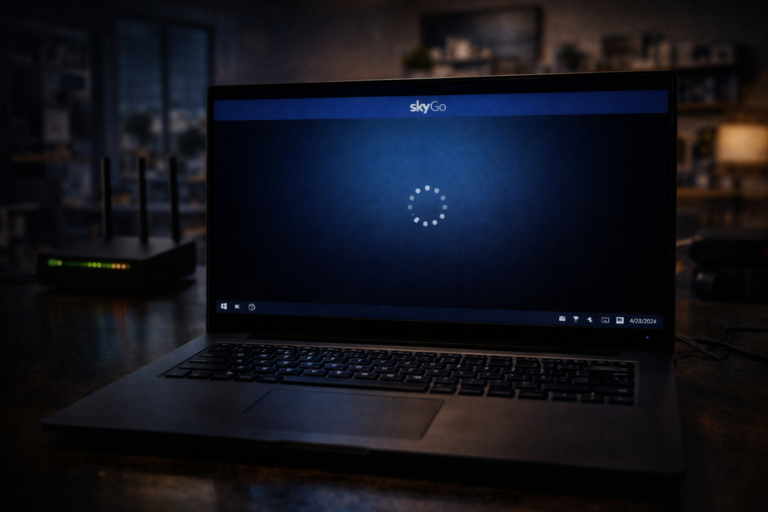
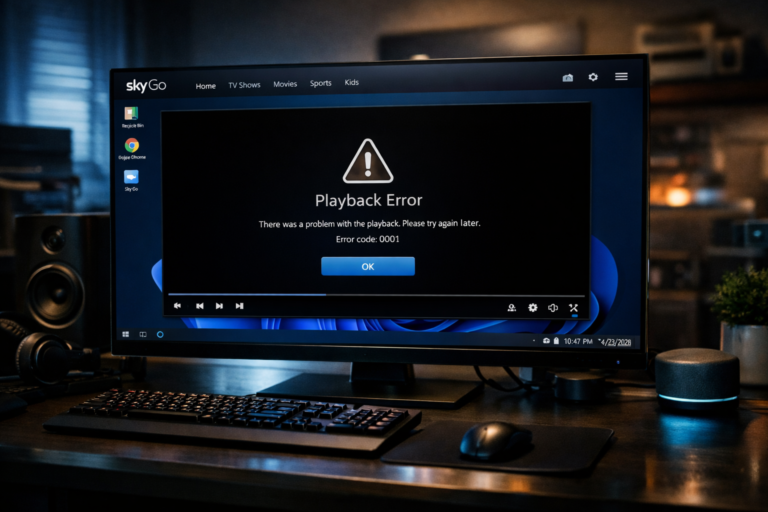
From the viewer perspective, the experience would vary. Some households might see no change at all. Others could experience missing channels, frozen pictures, or delayed recovery.
Direct-to-home viewers relying solely on Astra 19.2°E would notice issues more quickly. Platform-based viewers might be shielded by backup distribution.
The uneven nature of the experience highlights how layered modern TV delivery has become.
The role of backup and redundancy systems
Professional broadcasters do not assume perfect conditions. Backup systems are standard practice. Many channels distributed via Astra 19.2°E also exist on alternative satellites, fiber links, or IP-based contribution paths.
These backups are not always intended for permanent use, but they can sustain service during disruptions.
The effectiveness of backup systems would determine how visible the outage becomes.
Cross-border distribution challenges
Astra 19.2°E plays a major role in cross-border distribution. Its absence would complicate signal delivery to multiple countries simultaneously.
Operators might need to activate regional solutions, leading to temporary inconsistencies across markets.
This fragmentation would test coordination across national and organizational boundaries.
Short-term recovery strategies
Recovery would focus on restoring continuity rather than perfection. Broadcasters would prioritize keeping channels on air, even if quality or completeness temporarily declines.
Emergency routing, simplified channel lineups, or temporary feeds could be used.
Once stability returns, systems would gradually revert to normal configurations.
Long-term effects on the broadcasting ecosystem
A prolonged outage would prompt industry-wide reassessment. Operators would review redundancy plans, backup coverage, and dependency levels.
However, such an event would not necessarily lead to abandonment of Astra 19.2°E. Instead, it would likely reinforce the importance of layered resilience.
History shows that major infrastructure disruptions often lead to improved safeguards rather than complete replacement.
What this scenario reveals about infrastructure dependence
This thought experiment reveals how interconnected European broadcasting has become. Shared infrastructure enables efficiency, but it also creates concentration.
Astra 19.2°E illustrates both sides of that equation. It simplifies distribution, yet its centrality increases the importance of careful planning.
The goal is not to eliminate dependence, but to manage it responsibly.
Reality Check
Complete and prolonged satellite outages are extremely rare. Modern satellite operations include multiple safeguards.
Most disruptions are localized or short-lived and are handled without major public impact.
Final Verdict
If Astra 19.2°E went offline, European television would not stop, but it would be tested. The event would expose how much distribution relies on shared infrastructure.
More importantly, it would demonstrate the value of redundancy, preparation, and coordinated response across the broadcasting ecosystem.
FAQ
Has Astra 19.2°E ever gone completely offline?
No complete, long-term outage has occurred. Systems are designed to prevent such scenarios.
Would all channels disappear at once?
No. The impact would vary depending on backup arrangements and platform design.
Do broadcasters plan for this kind of event?
Yes. Contingency planning is a standard part of broadcast operations.
Would viewers need to take action?
In most cases, no. Recovery would be handled at the network level.
Does this mean satellite is risky?
All infrastructure carries risk. Satellite remains one of the most resilient distribution methods when properly managed.