Why Streaming Delay Happens Compared to Satellite TV
Estimated reading time: 19 minutes.
If you have ever watched a live football match on streaming and heard your neighbor celebrate before you saw the goal, you have already experienced streaming delay. This delay is not a bug. It is built into how streaming systems work.
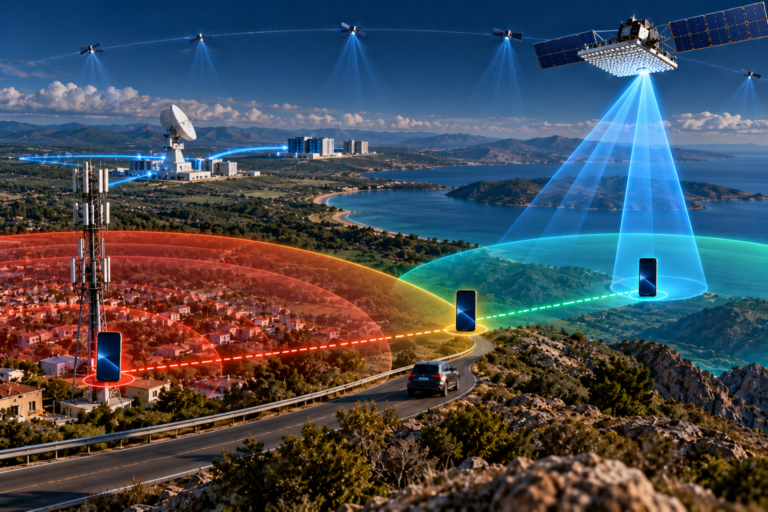
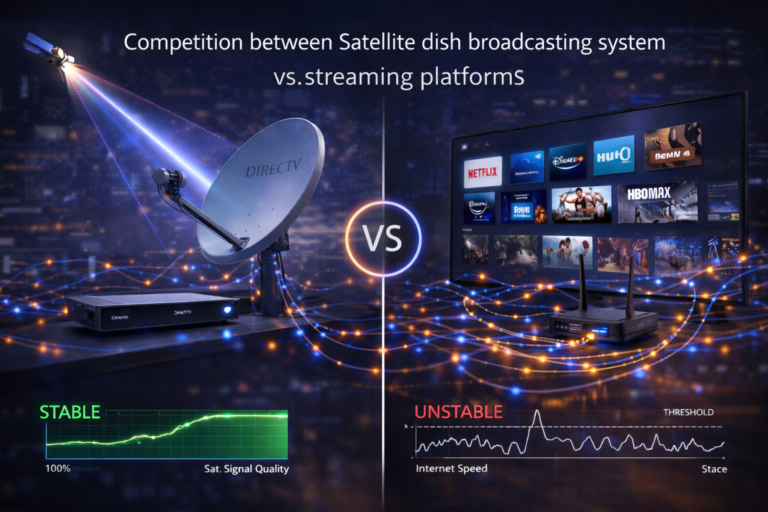
Satellite TV also has delay, but it is usually much smaller and more consistent. The difference comes from how the signal is processed, transmitted, and displayed. Streaming requires multiple processing steps before the video reaches your screen, while satellite uses a more direct broadcast path.
Streaming delay is caused by encoding, buffering, CDN delivery, and network conditions, while satellite delay mainly comes from signal travel distance and minimal processing.
Streaming delivery pipeline explained
Streaming is not a direct signal. It is a multi-step pipeline.
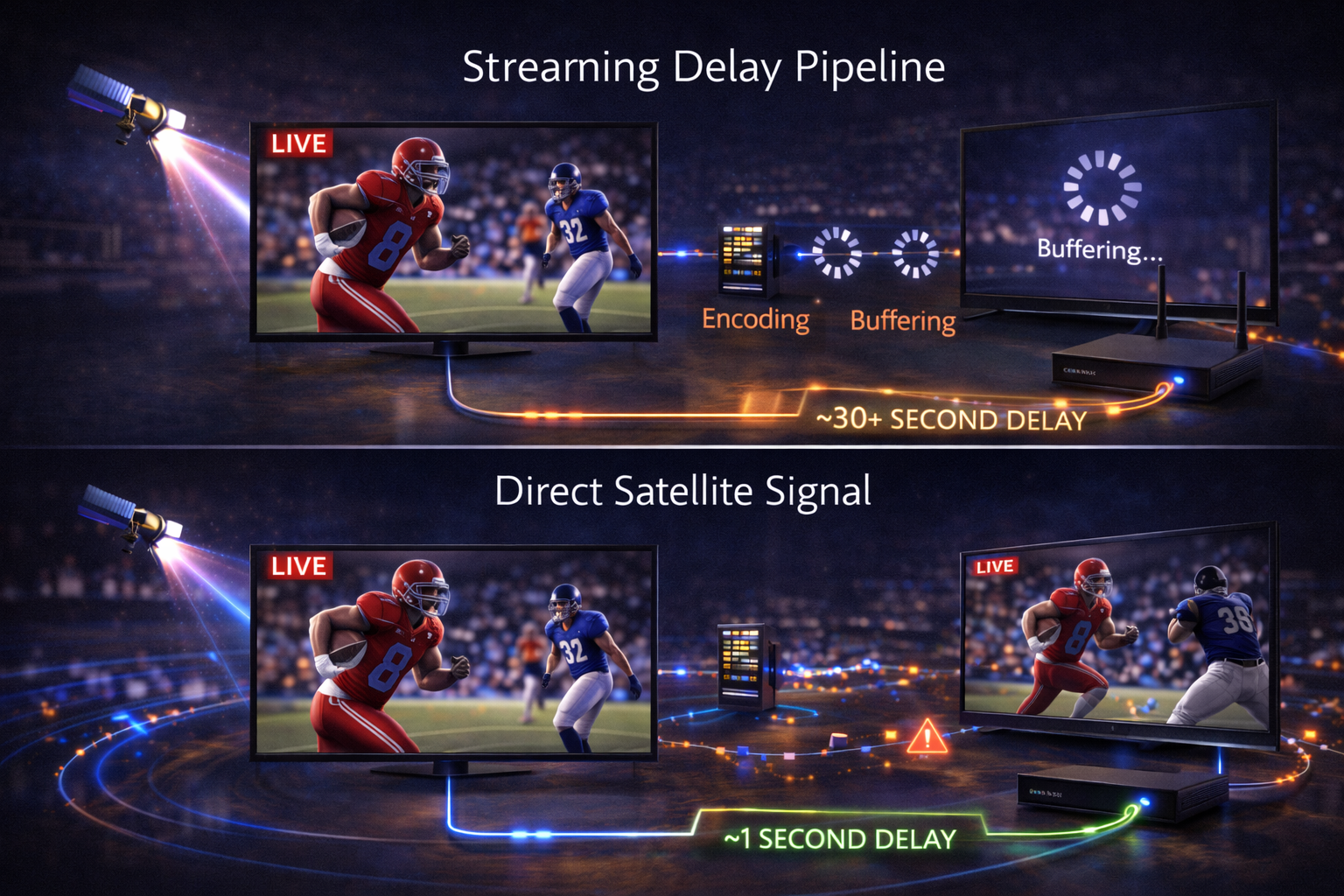
First, the live video is captured. Then it is encoded into digital format, divided into segments, sent to servers, distributed across CDN nodes, and finally delivered to your device.
Each step adds delay, which accumulates before playback begins. :contentReference[oaicite:0]{index=0}
Role of encoding and compression
Before streaming, video must be compressed using encoding techniques.
Encoders process multiple frames together to reduce data size. This requires time because the system analyzes video sequences before sending them.
This step alone introduces noticeable delay before the stream even starts.
Why buffering adds delay
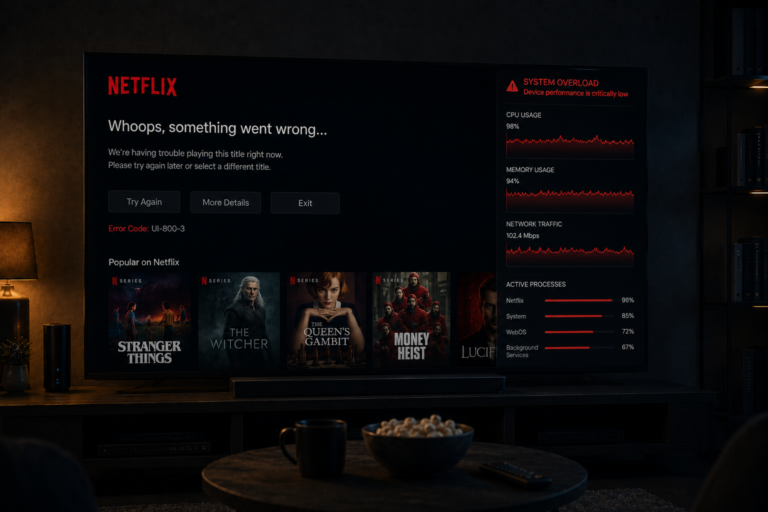
Streaming platforms intentionally delay playback to build a buffer.
This buffer ensures smooth playback if network speed fluctuates.
Without buffering, the stream would constantly freeze. With buffering, playback is stable but delayed.
This is one of the main reasons streaming is often 20 to 60 seconds behind live broadcast. :contentReference[oaicite:1]{index=1}
CDN and multi-server routing
Streaming uses CDN networks to distribute content globally.
Your stream may travel through multiple servers before reaching your device.
Each hop adds small delays, which accumulate across the delivery chain.
This makes streaming delay variable depending on network routing.
Satellite signal delay basics
Satellite TV also has delay, but it is mostly due to signal travel distance.
A signal traveling to a geostationary satellite and back introduces about a quarter of a second delay. :contentReference[oaicite:2]{index=2}
Additional processing adds a few more seconds, but the total delay remains relatively small and consistent compared to streaming.
Latency comparison real numbers
Traditional broadcast systems typically have around 3 to 7 seconds of delay.
Streaming platforms often range between 20 and 60 seconds depending on technology and network conditions. :contentReference[oaicite:3]{index=3}
In some cases, streaming delay can exceed one minute if not optimized. :contentReference[oaicite:4]{index=4}
Where streaming delay increases
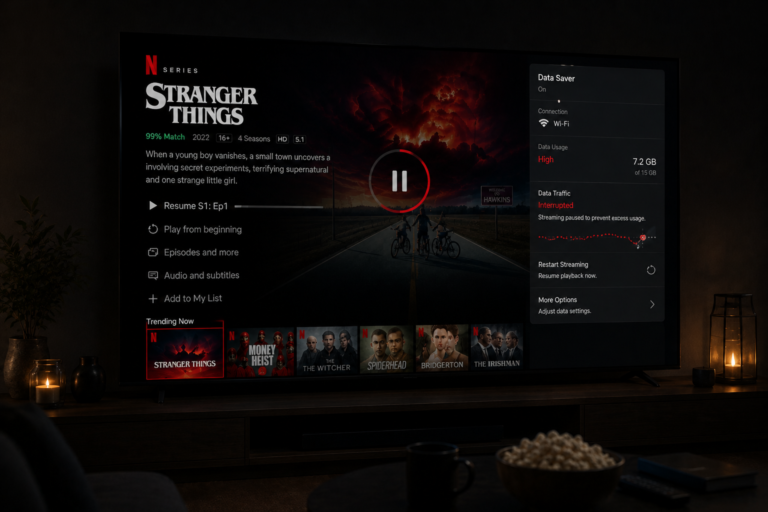
Streaming delay increases when any part of the pipeline slows down.
Common causes include:
Server overload during major events Network congestion Packet loss and retransmissions Device processing limitations
Each of these factors adds additional delay beyond the baseline.
Technical delay comparison table
| Factor | Satellite TV | Streaming |
|---|---|---|
| Transmission type | Direct broadcast | Multi-step delivery |
| Main delay source | Signal travel distance | Encoding and buffering |
| Latency range | Few seconds | 20 to 60 seconds |
| Consistency | Stable | Variable |
| Dependency | Signal path | Network and servers |
Real world viewing impact
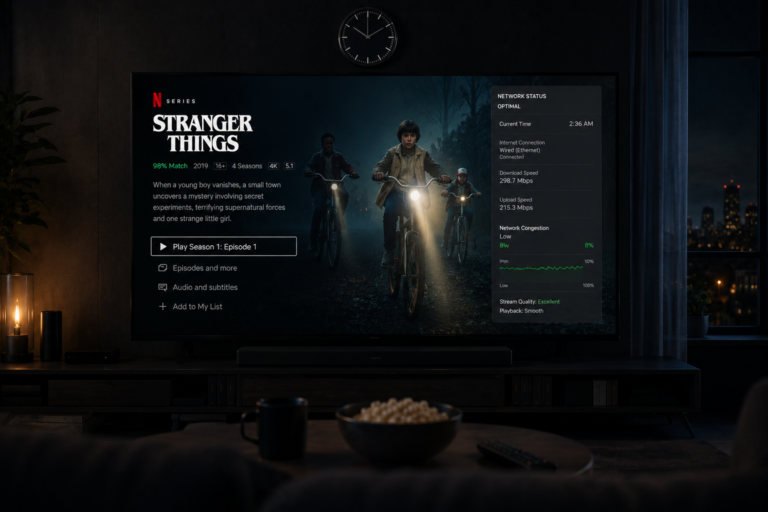
In real life, streaming viewers often receive the event later than satellite viewers.
This is why notifications, social media, or nearby viewers can reveal events before they appear on screen.
For a deeper comparison of overall performance between both systems, you can explore this analysis: Satellite vs streaming sports performance comparison
Streaming delay is not a flaw. It is a necessary tradeoff to ensure stable playback across unpredictable internet conditions.
Streaming delay happens because of multiple processing steps including encoding, buffering, and CDN distribution. Satellite TV remains faster and more consistent because it uses direct broadcast transmission. While streaming offers flexibility, delay is an unavoidable part of its architecture.
FAQ
| Question | Answer |
|---|---|
| Why is streaming delayed | Because of encoding, buffering, and network delivery steps |
| Is satellite delay smaller | Yes it is usually shorter and more stable |
| Can streaming delay be reduced | Yes with low latency technologies but not eliminated |
| Why do streaming apps buffer | To maintain stable playback during network fluctuations |
| Is delay the same for all platforms | No it varies depending on technology and infrastructure |